
Let’s be real: pricing your home is one of the most important decisions you’ll make when it’s time to sell. Get it right, and you could have multiple offers rolling in within days. Get it wrong, and your listing becomes stale, buyers start wondering what’s wrong with it, and you end up chasing the market down.
Here’s the thing: the NC Triangle real estate market in 2026 isn’t what it was in 2022. It’s not even what it was six months ago. If you’re a Raleigh home seller trying to figure out how to price your property, you need to understand where the market is today: not where you wish it was.
I’ve seen too many sellers leave money on the table (or worse, watch their homes sit unsold for months) because of avoidable pricing mistakes. So let’s break down the seven most common errors I see from Triangle home sellers: and exactly how you can dodge them.
Mistake #1: Anchoring Your Price to 2022 Market Values
This is hands-down the most common pricing mistake I see from Raleigh home sellers right now. And honestly? I get it. If your neighbor’s house sold for $450,000 back in 2022, it’s tempting to think yours should fetch the same: or more.
But here’s the reality: the market has shifted. Interest rates changed the game. Buyer behavior evolved. And those 2022 prices? They reflected a very different set of circumstances.
How to avoid it: Price your home based on where Triangle home values are today: specifically over the last three months. Not last year. Not 2022. Work with an agent who’s actively selling in your neighborhood and can show you what homes are actually closing at right now.
Mistake #2: Ignoring Builder Competition
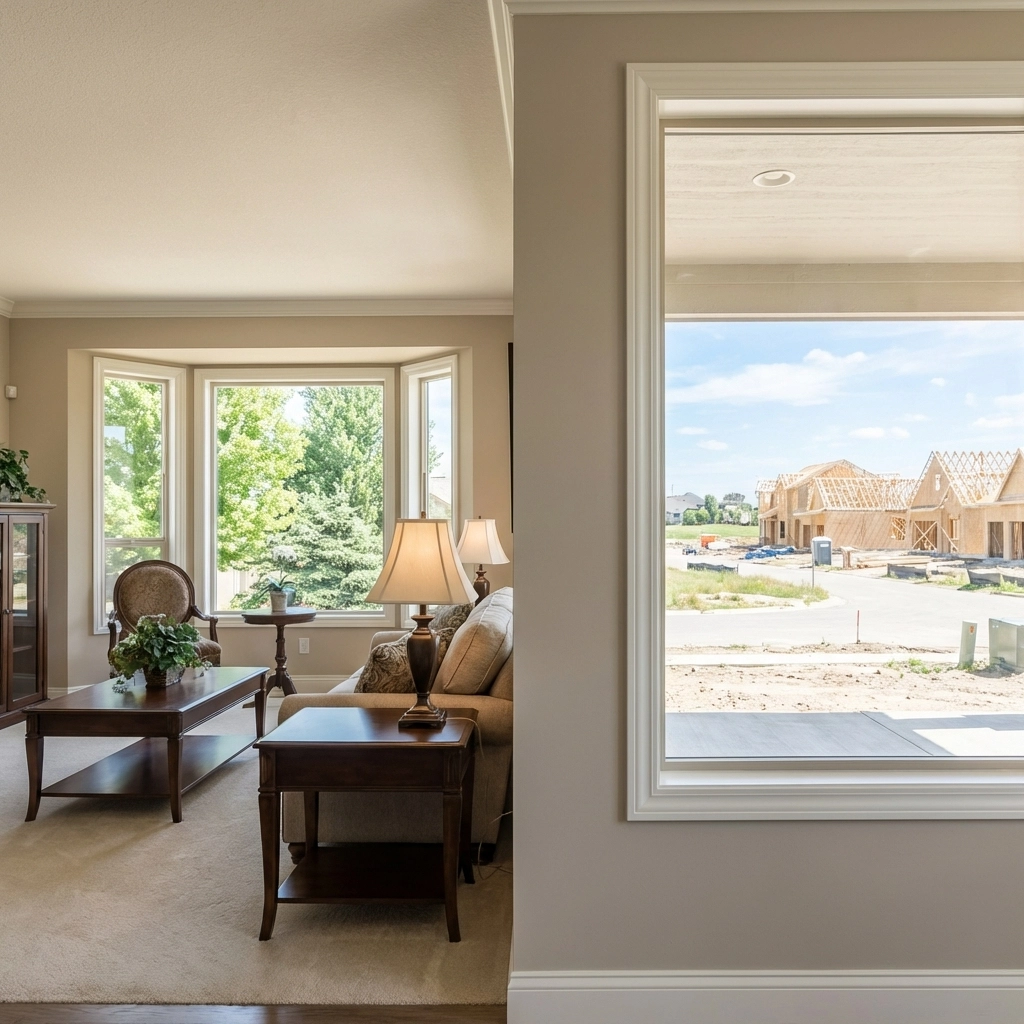
Here’s something that catches a lot of resale sellers off guard: you’re not just competing with other existing homes. You’re competing with brand-new construction, and builders are playing hardball in 2026.
We’re talking rate buy-downs, closing cost credits, free upgrades, and incentive packages that make shiny new homes incredibly attractive to buyers. If you’re trying to sell your resale home without accounting for this competition, you’re going to struggle.
How to avoid it: Know what builders in your area are offering. If there’s new construction within a few miles of your home, those incentives directly impact your pricing strategy. You may need to price more aggressively or offer your own concessions to stay competitive.
Mistake #3: Relying on Outdated Comparable Sales
When figuring out how to sell a home in North Carolina, most sellers start by looking at “comps”: recently sold homes similar to theirs. That’s smart. But using comps from six months ago (or longer) without adjusting for current conditions? That’s a recipe for overpricing.
Here’s a stat that should get your attention: 44% of resale listings in Wake County have cut their price at least once, with the average reduction hovering around 5%. That tells you a lot of sellers are starting too high and having to course-correct.
How to avoid it: Focus on sales from the past 60-90 days maximum. And pay attention to pending sales and active competition: not just closed deals. Your agent should be pulling fresh data weekly, not relying on a report from last quarter.
Mistake #4: Letting Emotional Attachment Set the Price
I totally understand this one. You’ve raised your kids in that house. You renovated the kitchen yourself. You have a decade of memories in those walls. That emotional connection is real: but it doesn’t translate to market value.
Buyers don’t care that you hand-picked every tile in the bathroom or that the backyard hosted fifteen birthday parties. They’re looking at square footage, condition, location, and how your home stacks up against others on the market.
How to avoid it: Separate your emotional value from your home’s market value. This is where having a trusted real estate professional becomes vital: someone who can give you an objective assessment based on data, not feelings. It’s not personal; it’s just business.
Mistake #5: Failing to Account for Your Home’s Condition
Here’s a trap a lot of sellers fall into: they see a comparable home that sold for $400,000 and assume theirs should fetch the same. But that comp had a new roof, updated HVAC, and fresh paint throughout. Your home has the original 15-year-old systems and carpet from 2010.
Condition matters: a lot. Buyers in the Durham real estate market and across the Triangle are savvy. They’re getting inspections. They’re calculating repair costs. And they’re adjusting their offers accordingly.
How to avoid it: Get a pre-listing inspection or at least an honest assessment of your home’s condition. Factor needed repairs into your pricing strategy. Either make the updates before listing or price to reflect the work buyers will need to do.
Mistake #6: Not Understanding Your Specific Market Segment
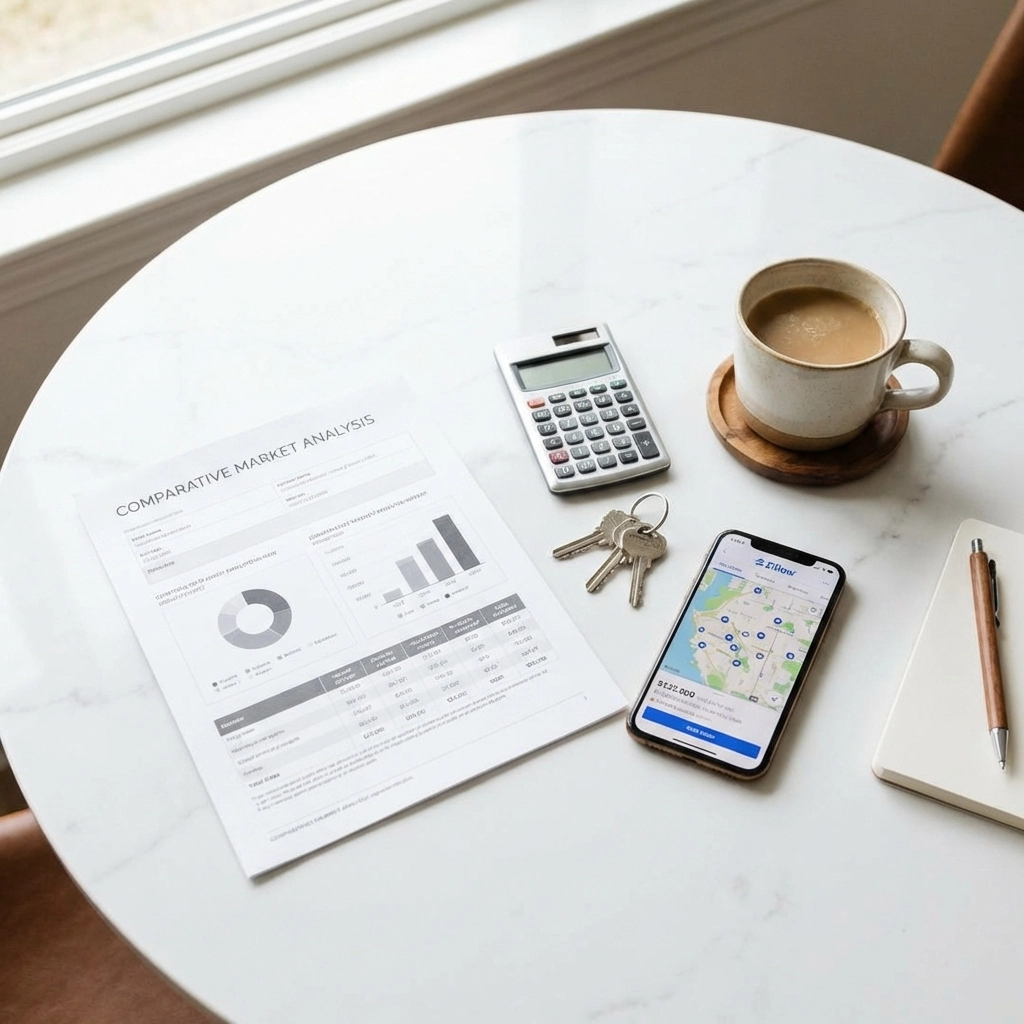
Here’s something that surprises a lot of sellers: the Triangle isn’t one monolithic market. What’s happening in downtown Raleigh is different from suburban Wake Forest. The $300,000 price point behaves differently than the $700,000+ luxury segment.
In some pockets: particularly higher-end homes in desirable locations: you might still see multiple offers and competitive bidding. But most resale homes are experiencing pricing pressure that requires realistic valuations from day one.
How to avoid it: Work with an agent who specializes in your specific area and price point. If you’re selling in Johnston County, you need someone who knows Johnston County: not just “the Triangle” in general. Hyperlocal expertise makes all the difference when it comes to pricing strategy.
Mistake #7: Refusing to Adjust When the Market Sends You Signals
You’ve listed your home. Two weeks go by. You’re getting showings but no offers. Three weeks. A month. Still nothing.
The market is telling you something: and a lot of sellers refuse to listen. They dig in, convinced their price is right and buyers just need to “come around.” Meanwhile, their listing grows stale, days on market pile up, and buyers start assuming something must be wrong with the property.
How to avoid it: Pay attention to early feedback. If you’re getting consistent showings but no offers, price is likely the issue. If you’re not getting showings at all, price is definitely the issue. Don’t wait 60 days to make an adjustment: the first two weeks on market are critical. Be willing to pivot quickly based on real buyer behavior.

The Bottom Line for NC Triangle Home Sellers
Look, I’m not here to scare you. Selling your home in 2026 is absolutely doable: plenty of homes are moving, and buyers are out there. But the days of slapping any price on your listing and watching offers roll in? Those are behind us.
If you want to sell my house in the NC Triangle without the headache of price cuts, extended market time, and lowball offers, you need to price it right from the start. That means:
- Using current data (not wishful thinking)
- Accounting for builder competition and market realities
- Being honest about your home’s condition
- Working with a local expert who knows your specific market
Pricing isn’t just a number: it’s a strategy. Get it right, and you’ll be handing over the keys to a happy buyer before you know it.